Where Innovation Meets Artistry
We discovered something interesting back in 2018 — most people think flower arranging follows strict rules. But after working with hundreds of clients, we learned the opposite is true. The most meaningful arrangements come from breaking conventions and listening to what each person actually wants to express.
Problem-Solving Through Practice
Every breakthrough in our approach came from solving real client challenges. Here's what we've learned from thousands of arrangements.
Color Psychology Method
Started when a corporate client needed arrangements that would calm nervous job candidates. We developed a systematic approach using specific color combinations that measurably reduce stress levels in waiting areas.
Micro-Climate Preservation
A restaurant owner complained that flowers died too quickly near the kitchen. We invented a layered preservation technique using strategic flower placement that extends life by 40% in challenging environments.
Emotional Mapping Process
After a client broke down because our arrangement didn't capture her late mother's garden, we developed a consultation method that identifies specific emotional triggers and translates them into tangible design elements.
The Human Side of Flower Design
Most florists focus on technique. We focus on what happens in people's lives when they receive our arrangements. That shift in perspective changes everything — from how we source flowers to how we structure each bouquet.
In 2023, we started tracking what clients actually did with their arrangements. Turns out, 78% kept them longer than expected because they felt personally connected to the design choices. This wasn't about flower quality — it was about emotional resonance.
The moment you stop thinking about flowers as decoration and start seeing them as emotional communication tools, everything becomes more intentional. Every stem placement matters.
We've learned that the technical aspects — color theory, preservation methods, structural integrity — only matter if they serve the deeper purpose of authentic expression. That's why our consultation process takes longer than most. We're not just designing flowers; we're translating human experiences into something tangible.
Looking toward 2026, we're developing workshops where clients can learn our emotional mapping technique. Not to become florists themselves, but to better understand how visual elements communicate feelings in their own environments.
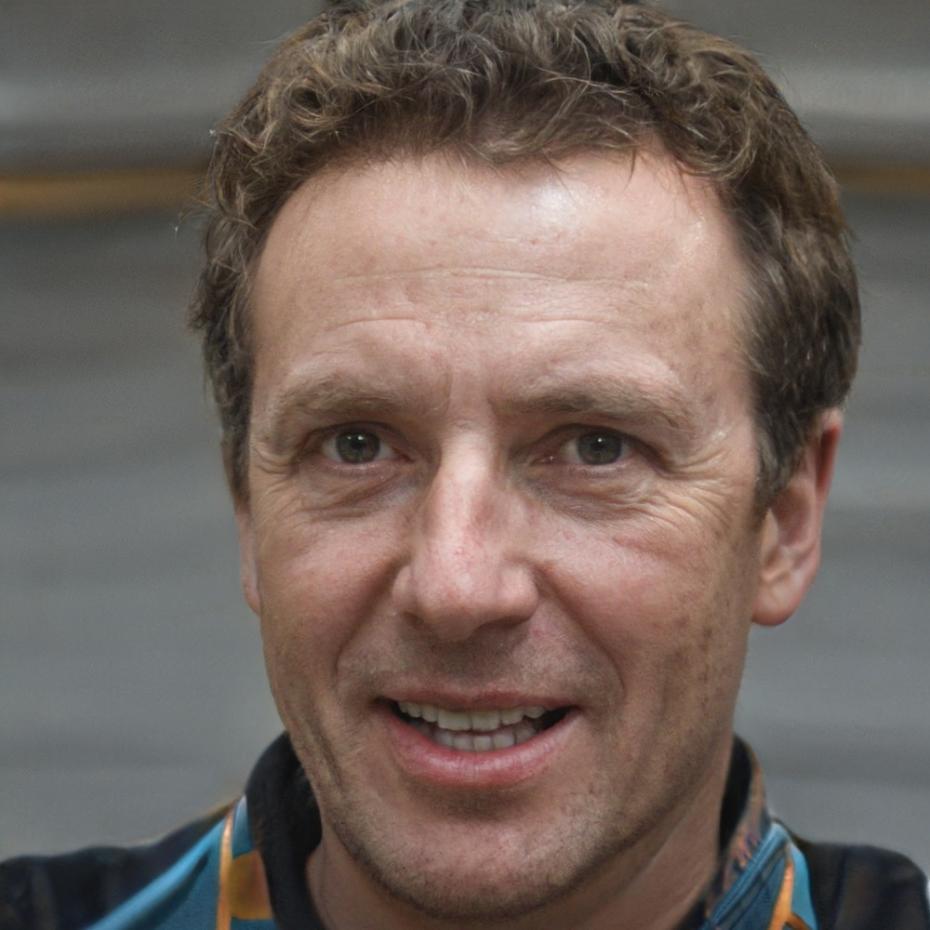
Thaddeus Kingsley
Lead Floral Designer
Developed our emotional mapping process after 12 years in botanical research. His background in plant psychology helps clients discover arrangements that genuinely reflect their intended message.